
What Should Buyers Know Before Purchasing Vacant Land in Arizona?

What Should Buyers Know Before Purchasing Vacant Land?
Buying vacant land can be exciting, especially if the goal is to build a custom home, casita, detached garage, RV garage, or future family property. A vacant parcel gives buyers the opportunity to create something from the ground up, but it also comes with questions that are not always obvious from a listing photo or lot size.
Before purchasing vacant land, buyers should understand what they actually want to do with the property and whether the land can support that goal. A lot may look perfect at first glance, but zoning, setbacks, utilities, access, slope, flood concerns, septic requirements, and construction logistics can all affect whether it is truly a good fit.
For agents, helping buyers understand these issues early can save time, reduce uncertainty, and make the property easier to evaluate.
Start With the Intent for the Property
The first question is simple: what is the buyer hoping to do with the land?
Some buyers want to build a custom home right away. Others may want land for a future retirement home, a family compound, a detached garage, a casita, horses, a workshop, or long-term investment. The intended use matters because not every parcel allows the same type of development.
A lot that works well for a small custom home may not work for a large home, RV garage, guest house, and pool. A property that feels private and scenic may be difficult or expensive to bring utilities to. A parcel that looks affordable may require significant grading, septic design, well research, or access improvements.
Understanding the goal early helps determine which restrictions matter most.
Review Zoning, Setbacks, Height, and Lot Coverage
If the buyer plans to build a home, zoning is one of the first things to review. The local zoning ordinance may control the minimum setbacks, maximum building height, maximum lot coverage, allowed uses, parking requirements, and accessory structure rules.
Setbacks determine how close the home can be to the property lines. Lot coverage limits determine how much of the parcel can be covered by structures. Height limits can affect two-story homes, RV garages, or homes designed to capture views. Access requirements can affect driveway placement and fire access.
These rules can greatly change what is possible. A parcel may be large overall but have a smaller buildable area once setbacks, easements, washes, slopes, or utility corridors are considered.
At planned RITE, we can help clients research basic building restrictions such as setbacks, lot coverage, zoning information, and other parcel limitations before moving too far into design.
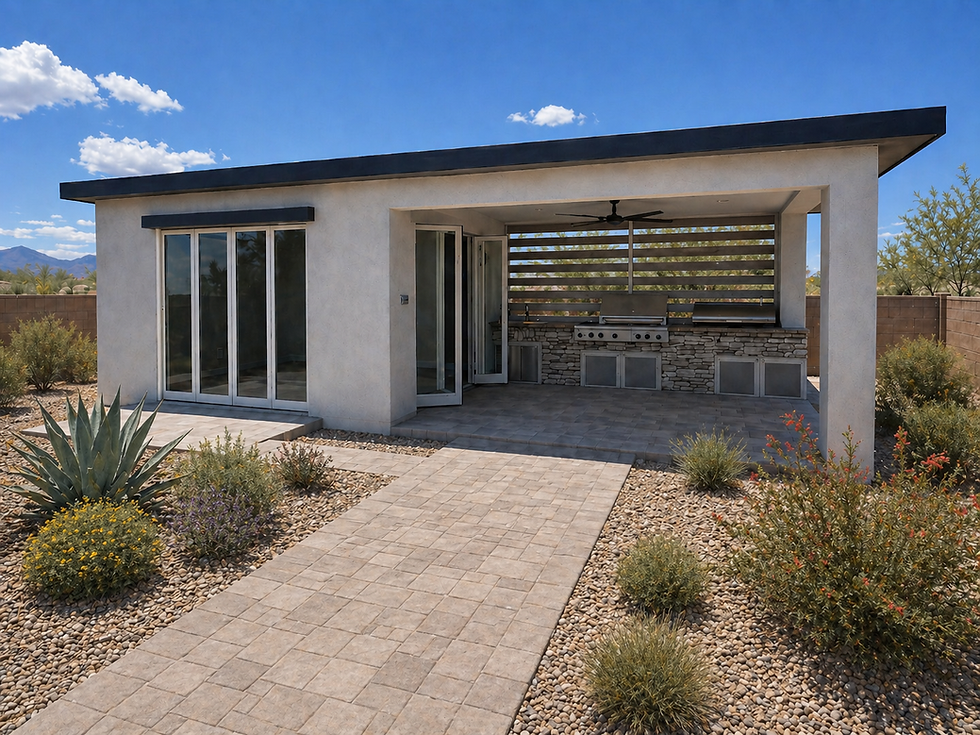
Many Arizona buyers are not only looking for a house. They may also want a detached garage, RV garage, pool house, hobby shop, detached office, guest house, or casita.
Whether these structures are allowed depends on the zoning district, lot size, setbacks, lot coverage, height limits, and whether the structure is considered livable. A detached garage or shop may be treated differently than an accessory dwelling unit, often called an ADU or casita.
This is important to know before purchasing. If a buyer’s dream property includes a large RV garage or detached guest house, the parcel should be reviewed for those uses early.
Consider Lot Orientation, Views, and Home Placement
The orientation of the lot can have a major impact on the final home design. In Arizona, sun exposure, shade, views, wind, driveway access, and outdoor living areas all matter.
If the property has mountain views, desert views, city lights, or open space, the buyer should think about whether the home can be positioned to take advantage of those features. The best view from the lot may not always align with the easiest driveway location, ideal solar orientation, or required setbacks.
This is where a concept site plan or rendering can help. Showing an example home footprint on the parcel can help buyers understand how the home might sit on the land, where outdoor areas could go, and whether views can be captured from key spaces.
Utilities Can Make or Break a Vacant Land Purchase
Utilities are one of the biggest factors buyers should investigate before purchasing vacant land.
A property may need access to power, water, sewer or septic, gas or propane, internet, and phone service. In more rural areas, the buyer may need a well, septic system, propane tank, satellite internet, or long utility extensions.
Water is especially important. If the property does not have municipal water, the buyer may need to research whether a well is possible, how deep water may be, and whether surrounding wells are productive. If sewer is not available, the property will likely need septic, which requires enough suitable land for the system and may require a perc test.
Internet and phone service should not be assumed. Some properties may require satellite internet or other rural service options.
Utility availability can affect both build cost and daily livability, so it should be reviewed before closing whenever possible.
Watch for Flood, Wash, Slope, and Drainage Issues
Environmental conditions can greatly affect whether a lot is easy or difficult to build on.
In Arizona, washes and drainage paths are common. A parcel may look usable during dry weather but still be affected by stormwater flow. Floodplain concerns, natural washes, erosion areas, or drainage easements may limit where a home can be placed.
Slope is another major factor. A sloped lot can create beautiful views, but it may also require more grading, retaining walls, stepped foundations, longer driveways, or more complex structural design.
These conditions do not always mean the property should be avoided, but they should be understood. A lot with great views may still be a good purchase if the buyer is prepared for the added design and construction considerations.
Soil Quality and Septic Conditions Matter
Land quality can affect the cost and feasibility of construction. A soils report may be needed to understand bearing conditions, expansive soils, drainage characteristics, or other structural considerations. Poor soil conditions can increase foundation costs or require special engineering.
If the property needs septic, soil conditions matter there too. A perc test or septic evaluation may be needed to determine whether the land can support a septic system and where it can be located.
This is especially important because septic placement can compete with the home, driveway, wells, easements, detached buildings, and future improvements. Buyers should not assume that open land automatically means there is room for everything.
Think About Location Beyond the Property Lines
A vacant lot should also be evaluated based on its surroundings. Buyers should consider school access, shopping, medical services, traffic, road conditions, emergency access, nearby development, flight paths, noise, and proximity to neighbors.
A property may feel peaceful during one visit but have traffic, aircraft noise, dust, or other concerns at different times of day. Buyers should visit the property more than once if possible and think about how the location will feel after the home is built.
Distance from central hubs can also affect construction. Remote properties may have higher build costs due to travel time, material delivery, contractor availability, utility extensions, and limited access to suppliers.
For agents, these practical details can help buyers make a more informed decision instead of focusing only on acreage, price, and views.
How Concept Plans Can Help Before Buying
A concept plan can be very helpful before purchasing vacant land. It can show a rough home footprint, driveway location, setbacks, possible detached structure locations, outdoor spaces, and major limitations of the parcel.
This does not replace full design, engineering, septic design, or final jurisdiction review, but it gives buyers a clearer picture of whether the property appears to support their goals.
For agents and sellers, a concept plan or property one-pager can also make a listing easier to market. It helps buyers understand the opportunity instead of having to imagine everything from scratch.
How planned RITE Helps Buyers, Agents, and Sellers
planned RITE helps Arizona homeowners, buyers, and real estate agents evaluate the early design potential of vacant land. We can help research zoning, setbacks, lot coverage, height limits, and other basic building restrictions that affect the property.
We can also provide recommendations for additional professionals when needed, such as surveyors, civil engineers, septic designers, soils engineers, well professionals, or contractors.
Our role is to help buyers better understand what may be possible before investing too much time or money into a property. For agents, this can make the buying process smoother and help clients feel more confident when evaluating land.
Frequently Asked Questions About Buying Vacant Land
What should I check before buying vacant land?
Buyers should review zoning, setbacks, lot coverage, access, utilities, septic or sewer availability, water, drainage, slope, soil conditions, and whether the property supports their intended use.
Can I build any size home on a vacant lot?
Not always. The size of the home may be limited by setbacks, lot coverage, easements, height limits, septic requirements, drainage areas, and other zoning or site conditions.
Can I add a casita or detached garage on vacant land?
Possibly. It depends on the local zoning ordinance, lot size, setbacks, lot coverage, height limits, and whether the structure is considered an accessory building or an ADU.
Do I need utilities before buying land?
You do not necessarily need all utilities already installed, but you should understand what is available and what may need to be added. Utility extensions, wells, septic systems, propane, or satellite internet can add significant cost.
Can planned RITE help me evaluate a vacant lot?
Yes. planned RITE can help review basic building restrictions, zoning parameters, setbacks, and lot coverage. We can also suggest other professionals for septic, wells, soils, drainage, surveying, or engineering when needed.
Buying Vacant Land in Arizona?
Before purchasing land, it is important to understand what the property will realistically allow. Zoning, setbacks, utilities, septic, access, lot orientation, views, slope, drainage, and soil conditions can all affect the final design and construction cost.
planned RITE helps buyers, agents, and homeowners evaluate vacant land and create clear concept plans, site studies, renderings, and custom home plans throughout Arizona.


Comments